
Pecos County Civil Docket Searches
Search by cause number whenever you can. The re:SearchTX portal is the main statewide online tool for courts that take part, and it requires registration before you can search cases and documents. Filters cover case, county, court, and party. Live controls may differ. Pecos County offers no general civil docket form of its own, and a common name without a court or filing date can pull the wrong case.
The District Clerk and County Clerk also answer searches by phone, by mail, and at the counter, with email or fax once acceptance is confirmed. Ask whether a public terminal or paper index exists. Justice-court cases stay with their precinct. For a judicial-record access issue beyond a routine copy, send a narrow written Rule 12 request to the custodian.
- Read the court and cause number from a filed notice.
- Search the exact number in re:SearchTX.
- Match the case style, court, type, and date.
- Review filings, settings, orders, and status.
- Request the needed document from its clerk.
Pecos Civil Docket Numbers
A cause number is gold here. The County Clerk's written search policy says staff will retrieve a known cause. Broad civil or probate searching is pointed to the website or a self-search at the office. Pecos County publishes no civil prefix pattern. Enter the number exactly as printed. Never invent a sample by pairing a year with "CV."
If re:SearchTX comes back empty, recheck the court level and the party-name order. Check the date and the case category too. The record might sit in a JP system, predate an electronic migration, or be restricted. A mail or counter request works best when it states the cause, style, item, date, copy type, delivery method, and your contact information.
Quick answer: A cause number is the strongest key, but the court name tells which Pecos County clerk owns the file.
Civil Dockets: What They Show
Expect a case header. It comes with a chronological list of events on a Pecos County civil court docket. These are the usual Texas fields, not a description of one live screen. One caution: an event line is not the filed document itself. A portal image is not automatically certified.
| Cause number | Exact number from the court, with all printed letters and marks. |
|---|---|
| Style and roles | The caption and plaintiff, defendant, petitioner, or respondent roles. |
| Opening events | Petition, application, appeal, filing date, and case type. |
| Case activity | Service, answer, motions, discovery, mediation, settings, and orders. |
| Outcome | Dismissal, nonsuit, judgment, enforcement, or appeal events. |
A motion asks the court to act, while an order records what the court actually did. Service works the same way. Trust the return or certificate, not the date the petition was filed.
Pecos Civil Docket Versus Deeds
The County Clerk links vendor searches for official records like deeds, liens, and plats. Those tools are not the civil lawsuit docket. A property dispute can put a deed in the official-record index. The lawsuit may sit elsewhere. It could be in District Court or the constitutional County Court. Search each system for its own record.
The Pecos County Clerk page describes the office and its search links. The OCA Court Activity Reporting and Directory system serves a different job. It helps you identify courts and view aggregate reports.
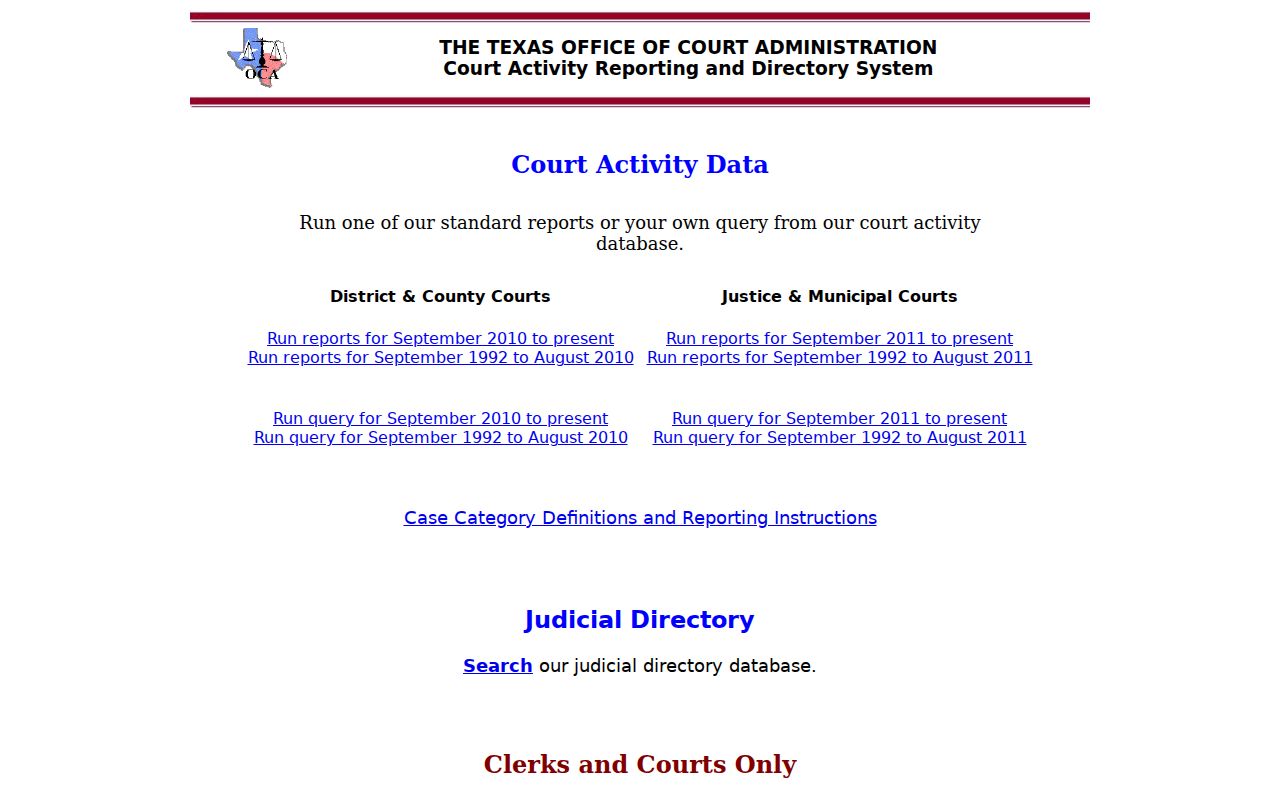
That system helps you locate the right public body. It will not return an individual pleading or prove a lawsuit's current status.
What Cases Fill the Civil Docket
The Pecos County District Courts take the big civil matters. Think title-to-land disputes, divorces, and family cases. The constitutional County Court reports civil, probate, juvenile, and mental-health categories through the County Clerk. Justice Courts handle small claims, evictions, and minor civil matters within their statutory authority. Texas jurisdictions overlap. Dollar value alone is a shaky routing test.
- District civil and title-to-land actions
- Divorce and other family proceedings
- County civil and probate matters
- Justice-court small claims and evictions
- Post-judgment enforcement in the original cause
Family, juvenile, mental-health, and protected-person records can carry limits that an ordinary public civil case does not. Confirm access before you search by name or request a full file.
Pecos Civil Docket Courts
The 83rd and 112th Judicial District Courts share concurrent civil jurisdiction in Pecos County. Both courts' local filings run through the District Clerk at 400 S Nelson. The constitutional County Court works through the County Clerk at 200 S Nelson, Suite 3. A JP matter stays at its own precinct counter. That counter sits in Fort Stockton, Iraan, Imperial, or Sheffield.
| Venue | Civil work | Contact |
|---|---|---|
| 83rd District | District civil, land, and family | District Clerk, (432) 336-3503 |
| 112th District | Concurrent district civil and family | District Clerk for Pecos filings |
| Constitutional County | County civil and probate categories | County Clerk, (432) 336-7555 |
| JP precinct | Small claims, eviction, minor civil | Assigned precinct clerk |
The OCA directory search can confirm a court's current public contact.
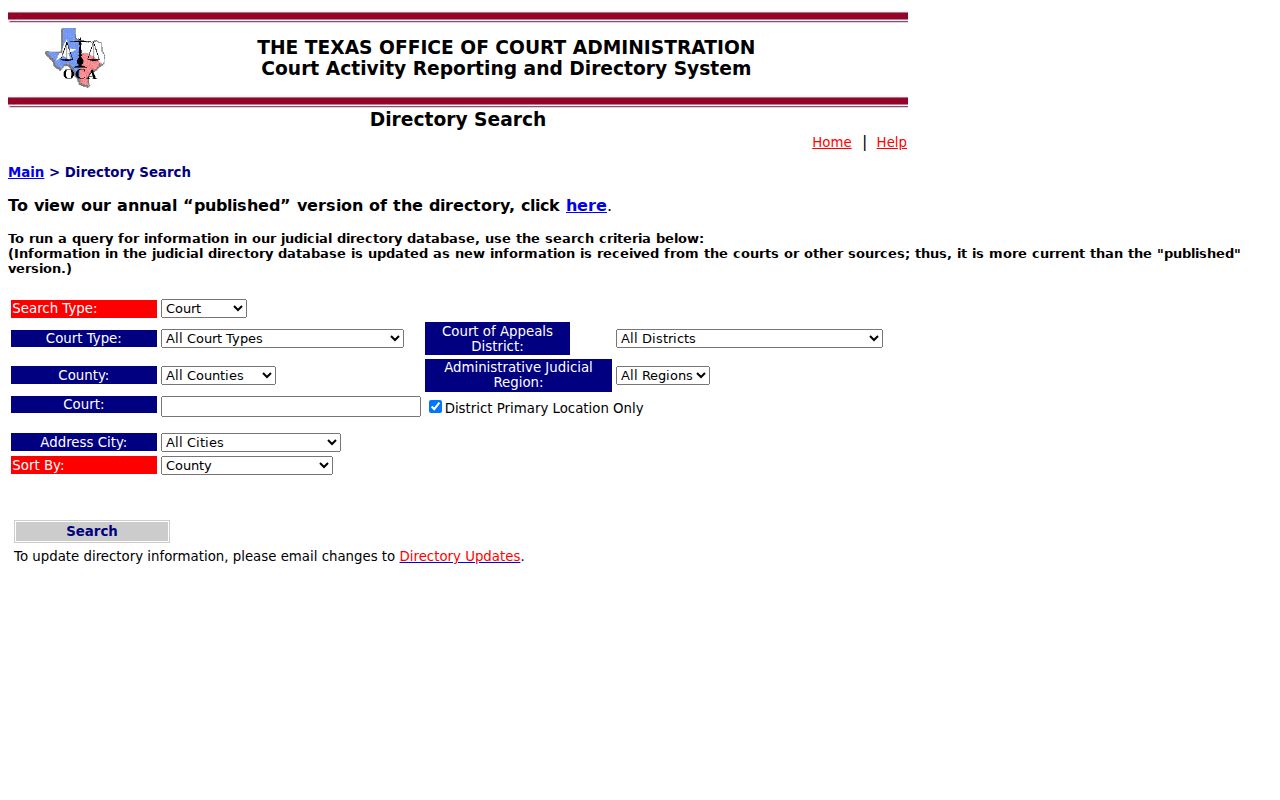
This directory lists which Pecos County courts and offices handle civil dockets, not a day-to-day docket or case search.
Hearings on the Civil Docket
Pecos local rules give district civil setting coordination to the court administrator. Before requesting a pretrial, jury, non-jury, or post-trial setting, a party gets dates from the administrator. It coordinates as directed. The proposed motion or order comes next. A jury-setting request goes to the administrator too. That request is not a County Clerk calendar filing.
A notice of setting is not a ruling. Check later docket events. Look for a reset, continuance, pass, amended order, hearing result, or signed ruling. If two dates conflict, the latest signed order plus current coordinator confirmation controls. The county posts no public daily calendar and no permanent remote-hearing link.
Setting flow: Request dates → Coordinate → Proposed order → Court setting → Hearing → Signed ruling
Pecos Civil Docket Outcomes
Resist reading "won" or "lost" into a status word. Each civil disposition carries its own procedural meaning. A nonsuit is the plaintiff voluntarily ending a claim as the court recognizes it. DWOP means dismissal for want of prosecution. A default judgment demands close attention to service and the signed judgment.
- Interlocutory order
- An order that resolves an issue before final disposition.
- Summary judgment
- A ruling under civil procedure without a conventional trial on the resolved issues.
- Final judgment
- An intended final disposition, subject to post-judgment steps or appeal.
- Satisfaction
- A recorded post-judgment event that should be checked against the filed instrument.
Agreed judgments, dismissals, enforcement writs, abstracts, appeals, and mandates each depend on their own paperwork. When you need to know exactly what a Pecos County entry did, get the signed document itself.
Pecos Civil Docket Activity
The FY2024 district report counted 271 active Pecos County civil cases when the year opened, with 156 added, 154 disposed, and 273 still active at the close. Family cases sat at 170 to start, then 155 more came in, 119 went out, and 182 remained. Treat these figures as statewide reporting totals, not results from a docket search.
OCA also offers ad hoc report tools for public aggregate research.
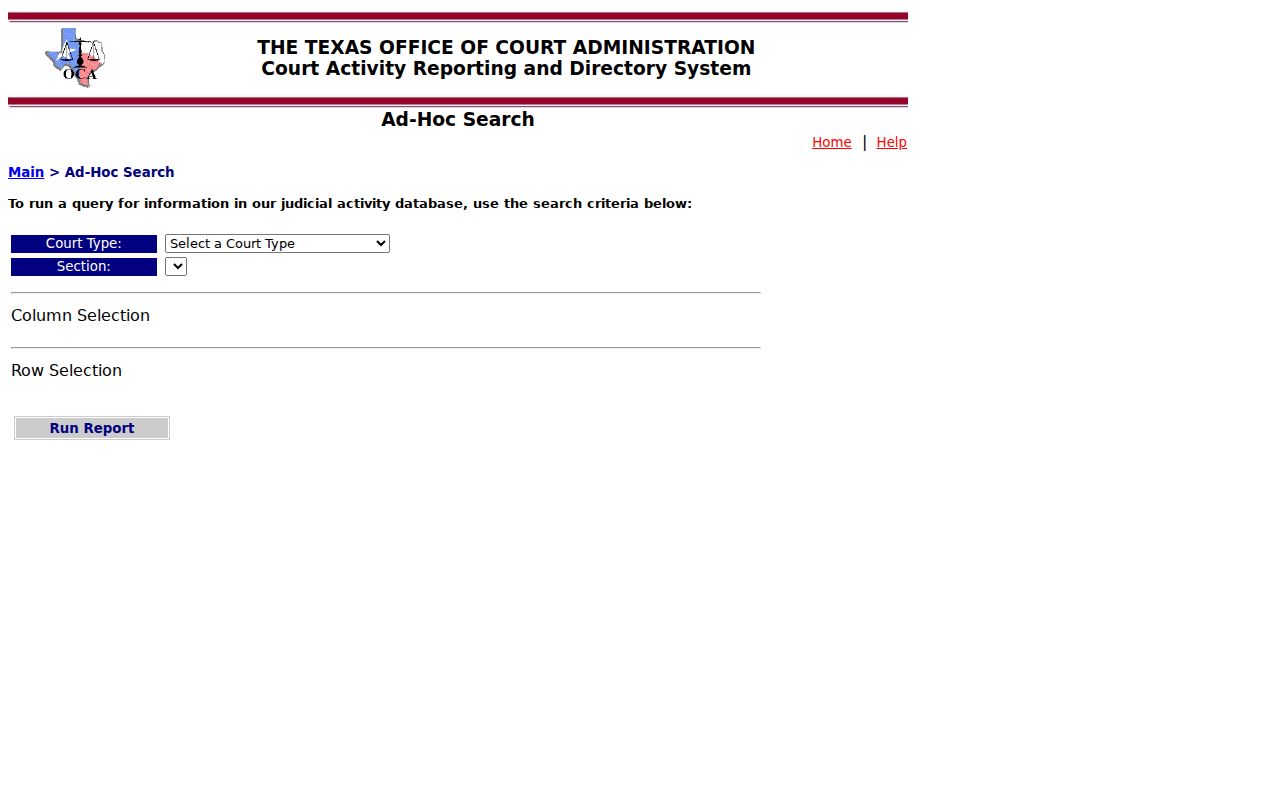
An activity query cannot establish filing, service, judgment, or satisfaction in a named cause.
Who Can See Civil Dockets
Texas lets eligible people inspect and copy judicial records. Access to a court docket here runs through Texas Rule of Judicial Administration 12 and related law, not the executive-agency PIA track agencies use. Some material stays off limits. Sealed filings, protected identifiers, confidential reports, child-related records, mental-health information, and protected addresses can be withheld or redacted from the civil docket.
Key rules:
Rule 12 governs eligible judicial-record inspection and copying.
Texas Rule of Civil Procedure 76a provides the civil sealing framework.
Texas Rule of Civil Procedure 21c addresses sensitive-data protection.
A docket entry with no image attached may mean a fee, a redaction, or a restriction. Ask the clerk for the public version and the current copy cost. If you are turned away, ask what authority controls and whether Rule 12 review is available.